Business Card Mistakes That Cost You Opportunities
Why small details decide whether people remember you — or forget you
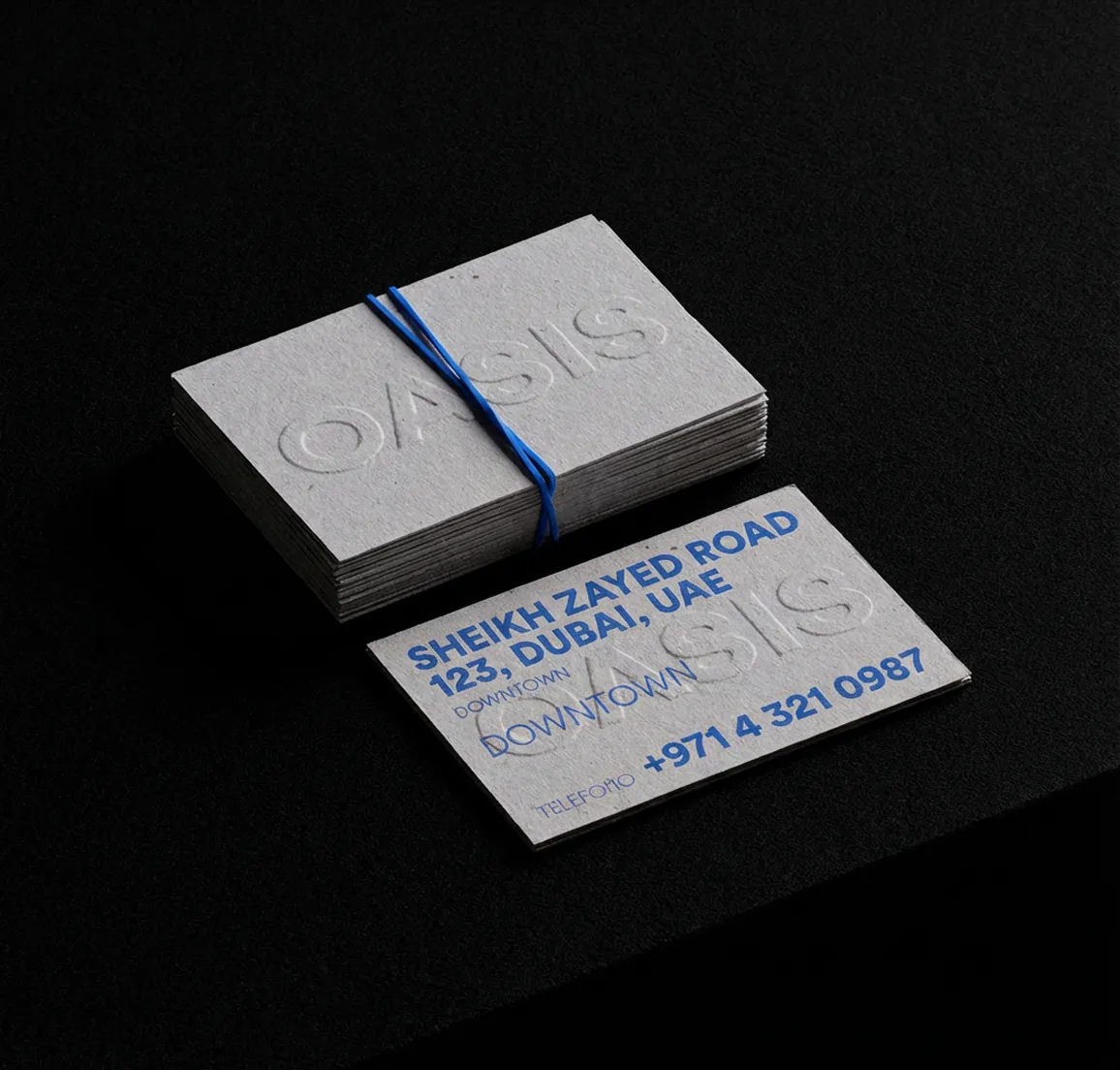
Introduction
Business cards are often treated as a formality.
Something you “have to do,” not something you think deeply about.
That’s a mistake.
In reality, a business card is often the first physical interaction someone has with your brand.
And first impressions don’t get a second chance.
This article breaks down the most common business card mistakes that quietly cost brands opportunities — without rejection, feedback, or explanation.
Business Cards Are Still a Judgment Tool
Despite digital alternatives, business cards remain relevant — especially in professional and corporate environments.
Why?
Because physical objects trigger faster and stronger judgments than screens.
People don’t evaluate business cards logically.
They evaluate them instinctively.
And instinct decides:
Credibility
Seriousness
Memorability
Mistake 1: Using Standard, Forgettable Materials
The most common mistake is also the most damaging:
standard paper, standard finish, standard feel.
When a card feels generic, the brand feels generic.
What happens subconsciously
The card blends in with others
No emotional marker is created
The brand is easier to forget
People may keep your card — but they won’t remember it.
Mistake 2: Overloading the Card With Information
Many business cards try to do too much:
Multiple phone numbers
Emails, websites, addresses
Social media icons
QR codes everywhere
The result is visual noise.
A business card is not a brochure.
It’s an identity marker.
Less information creates more confidence.
Mistake 3: Poor Typography and Spacing
Typography is not decoration.
It’s structure.
Common errors include:
Fonts that are too small
Tight spacing
Weak hierarchy
Poor contrast
Even when people don’t consciously notice these issues, they feel the discomfort.
Discomfort reduces trust.
Mistake 4: Using Finishes Without Purpose
Spot UV on everything.
Foil everywhere.
Embossing just because it’s available.
These decisions don’t signal premium — they signal confusion.
Finishes should:
Support hierarchy
Guide attention
Reinforce brand tone
When everything is highlighted, nothing is.
Mistake 5: Ignoring How the Card Is Handled
A business card is touched, stored, stacked, and revisited.
Questions rarely asked:
Does it bend easily?
Do edges wear out quickly?
Does it pick fingerprints?
Durability affects perception more than aesthetics.
A card that looks bad after a week reflects badly on the brand behind it.
Mistake 6: Treating Business Cards as a Print Job, Not a Brand Decision
Many cards fail because they are treated as:
“Just print what we have.”
Without questioning:
Material choice
Size
Finish
Use context
A professional approach treats a business card as a brand artifact, not a print output.
Why These Mistakes Cost Opportunities Silently
People rarely say:
“I didn’t call because the card felt cheap.”
They simply:
Hesitate
Delay
Forget
And hesitation kills momentum.
Opportunities aren’t always lost loudly.
Most are lost quietly.
Final Thought
A business card doesn’t need to be flashy.
It needs to be intentional.
Every detail sends a signal — whether you design it to or not.
A Smarter Approach to Business Cards
At Ninja Print, business cards are designed and produced as brand touchpoints, not templates.
We help businesses:
Choose materials that support credibility
Design cards people remember
Avoid silent mistakes that cost opportunities
If your business card doesn’t confidently represent your brand, it’s time to rethink it.
Talk to a print expert.
Review your business card before reprinting.
Turn first impressions into real opportunities.
References (Topic-Based & Stable)
Harvard Business Review – Communication & Professional Presence
https://hbr.org/topic/communicationForbes – Personal Branding & Professional Image
https://www.forbes.com/personal-branding/Interaction Design Foundation – Visual Hierarchy & Perception
https://www.interaction-design.org/literature/topics/visual-hierarchyThe British Printing Industries Federation – Print Standards
https://www.bpif.org.uk/
Let’s Print Something That Builds Your Brand.
We produce everything from packaging to premium sales kits that support your goals — whether you’re launching a product, impressing clients, or building brand trust.
Start Your Project
Our latest topics