Why Heavier Paper Feels More Premium
The psychology behind weight, texture, and trust in printed materials
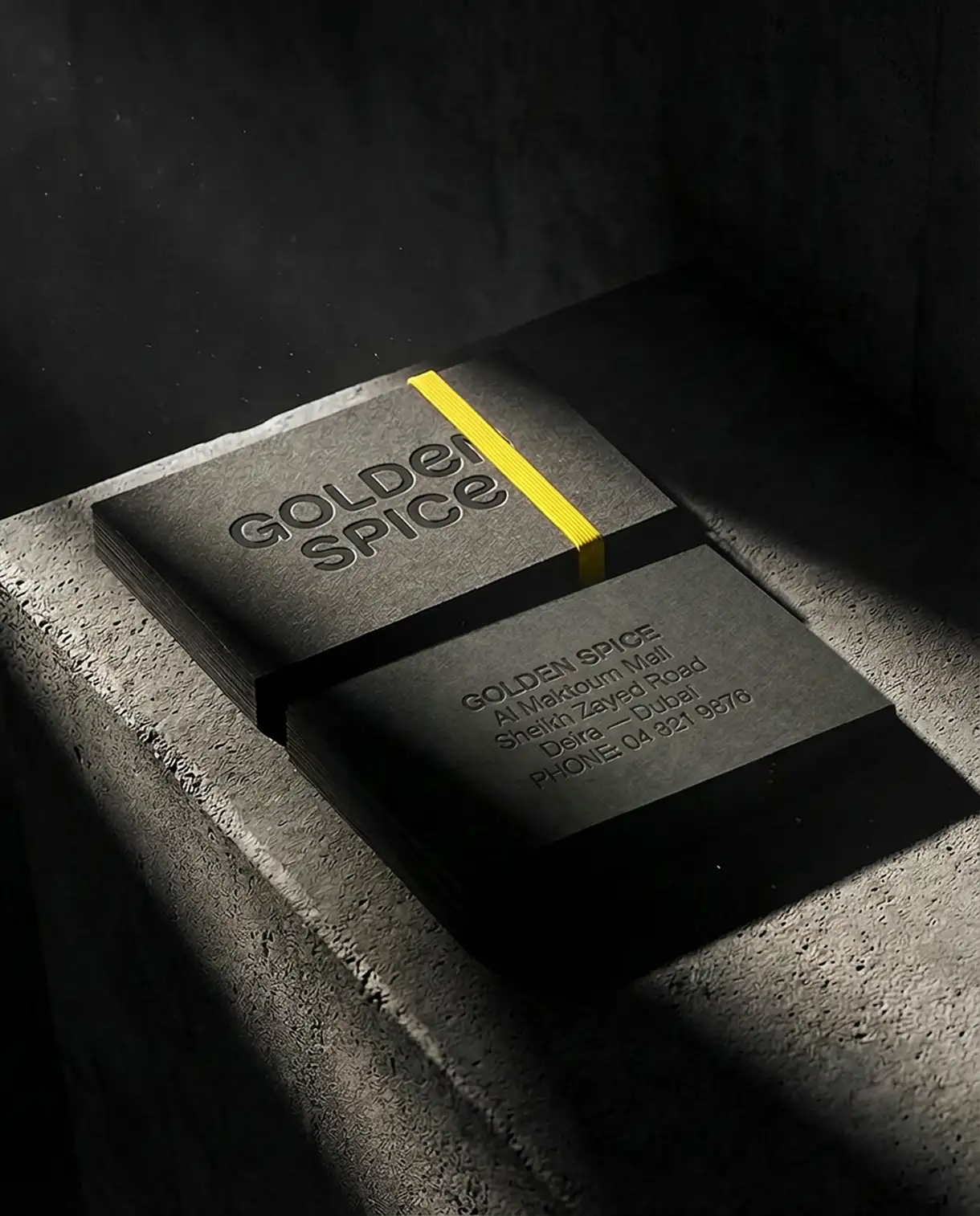
Introduction
People often say they can’t explain why something feels premium —
they just know it does.
In printing, one of the strongest (and most underestimated) signals of quality is paper weight.
Not color.
Not finishing.
Weight.
This article explains why heavier paper feels more expensive, how the brain interprets it, and why brands that ignore this detail quietly lose trust.
The Brain Associates Weight With Value
Human perception is not neutral.
Our brains constantly look for shortcuts to judge quality.
One of the oldest shortcuts is weight = importance.
Heavier objects are subconsciously perceived as:
More valuable
More serious
More trustworthy
This effect is well documented in psychology and sensory perception studies. Physical weight influences how people judge abstract concepts like importance and credibility.
A printed item that feels light immediately lowers expectations — before a single word is read.
Paper Weight Is a Silent Brand Signal
Unlike visuals, paper weight is experienced through touch.
Customers may not know:
GSM numbers
Paper types
Printing terminology
But they instantly feel the difference.
What heavier paper communicates
Confidence
Stability
Long-term thinking
What light paper communicates
Cost-cutting
Temporary value
Low commitment
This message is silent — but powerful.
Why Design Alone Can’t Fix the Wrong Paper
A common mistake is assuming great design can compensate for cheap materials.
It can’t.
When design says “premium” but paper says “cheap,” the brain detects inconsistency.
That inconsistency creates discomfort — and discomfort reduces trust.
This is why some beautifully designed business cards still feel forgettable.
The problem isn’t the layout.
It’s the material.
The Role of Texture in Perceived Quality
Weight is only part of the equation.
Texture amplifies the effect.
Textured or uncoated papers:
Slow down touch
Create friction
Increase memorability
Smooth, lightweight papers feel fast, disposable, and generic.
Texture adds character.
Character adds distinction.
Where Paper Weight Matters Most
Not all print materials require heavy paper — but some absolutely do.
High-impact use cases
Business cards
Corporate stationery
Luxury packaging
Presentation folders
In these moments, paper weight directly affects first impressions.
Using light paper in high-stakes touchpoints silently undermines credibility.
The Cost Myth: Heavier Paper Is “Too Expensive”
This is one of the most common misconceptions.
In reality:
The cost difference is often marginal
The perception difference is massive
Heavier paper doesn’t increase cost linearly — but it increases perceived value exponentially.
Brands don’t lose money choosing better paper.
They lose money choosing the wrong one.
Why This Matters More Than Ever
In competitive markets, differentiation rarely comes from features alone.
When products and services look similar, perception becomes the advantage.
Print is one of the few brand elements customers can physically interact with.
Paper weight turns that interaction into a judgment moment.
Final Thought
Customers may not remember your paper choice.
But they will remember how your brand made them feel —
and paper weight plays a bigger role in that feeling than most businesses realize.
A Smarter Way to Choose Paper
At Ninja Print, paper is never selected based on price alone.
We help brands:
Match paper weight to brand positioning
Choose materials that support credibility
Avoid silent mistakes that weaken perception
If you’re unsure whether your current paper choices reflect the value of your brand, a professional review can change everything.
Talk to a print expert.
Review your materials before production.
Turn ideas into something people can feel — and trust.
References
Harvard Business Review – Marketing & Consumer Perception
https://hbr.org/topic/marketingNielsen – Consumer Trust & Sensory Influence
https://www.nielsen.com/insights/Smashing Magazine – Design & User Perception
https://www.smashingmagazine.com/articles/Forbes CMO Network – Brand Strategy
https://www.forbes.com/cmo-network/
Let’s Print Something That Builds Your Brand.
We produce everything from packaging to premium sales kits that support your goals — whether you’re launching a product, impressing clients, or building brand trust.
Start Your Project
Our latest topics